

Fraunhofer Gesellschaft Zur Forderung Der Angewandten Forschung Ev (Fhg)

Fraunhofer Gesellschaft Zur Forderung Der Angewandten Forschung Ev (Fhg)

The Fraunhofer-Gesellschaft, headquartered in Munich, is the world’s leading organization for application-oriented research. Founded in 1949, it plays a vital role in Germany’s innovation ecosystem by bridging the gap between basic science and industrial application.

Operating over 76 institutes across Germany, each focusing on specific fields such as AI, Microelectronics, and Clean Energy, Fraunhofer employs over 30,000 scientists and engineers. Its unique “Fraunhofer Model” relies on a mix of public funding and contract research for private industry and government agencies.

As of 2026, the organization is at the forefront of the European Green Deal, spearheading projects in Hydrogen Technology and Quantum Computing. Renowned for inventing the MP3 format, it continues to drive global standards in digitalization and manufacturing. For more details, visit the official Fraunhofer-Gesellschaft website.

FRANHOFER ITEM

The Fraunhofer Institute for Toxicology and Experimental Medicine (ITEM) is a leading research center within the Fraunhofer-Gesellschaft specialized in human health, with a core focus on respiratory research. Established in 1981 and headquartered in Hannover, Germany, the institute operates across three primary business units: Drug Development, Chemical Safety, and Translational Biomedical Engineering. 

With over 450 employees, Fraunhofer ITEM provides contract research for pharmaceutical, chemical, and medical device industries. Its infrastructure includes the CRC Hannover, a state-of-the-art center for early-phase clinical trials. Key expertise spans from biopharmaceutical manufacturing (GMP) to inhalation toxicology and the development of personalized therapies, such as tumor treatment at its Regensburg site. 

The institute is a pioneer in “Next Generation Risk Assessment” (NGRA), promoting animal-free testing via human tissue models. By integrating “4D” research—Drugs, Diagnostics, Devices, and Data—it accelerates the translation of medical innovations into clinical practice. In 2026, Fraunhofer ITEM is actively contributing to the German “Science Year: Medicine of the Future” initiative.

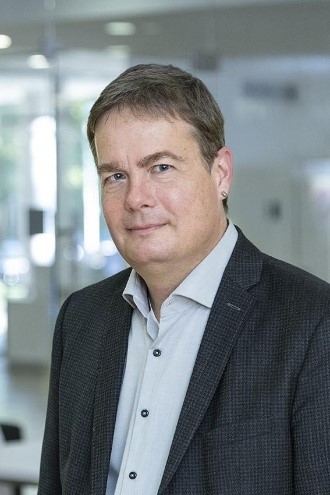
Dr. Stefan Hahn


Dr. Stefan Hahn is a chemist (PhD RWTH Aachen 2003) with focus in environmental chemistry, and expert for over 20 years in environmental and human exposure assessment. He is member of the research staff at Fraunhofer ITEM since 2004, and currently responsible for the coordination of the research in the field of exposure science. He had the project lead in several national and European research projects, as well as in the preparation of dossiers under various regulations such as REACh and BPR and initiatives. His main area of research is in chemical risk assessment including POP and PBT assessment for different type of substances such as polymers, microplastic, PFAS. Since 2019 he is the chairman of the GDCh division “Environmental Chemistry and Ecotoxicology”, and he is member of the International Society of Exposure Science (working group Exposure models of the European chapter). His task in the proposed project is coordimation of the work for safety assement using the SSbD concept.
FRANHOFER IME

The Fraunhofer Institute for Molecular Biology and Applied Ecology IME is a leading German research organization specializing in the applied life sciences. It conducts interdisciplinary research spanning from the molecular level to entire ecosystems, focusing on sectors like pharmacy, agricolture and environmental protection. 

The institute is structured into three main divisions:

Molecular Biotechnology: Develops tailored plants and microbes for food, renewable raw materials, and pharmaceutical proteins.

Applied Ecology: Evaluates the environmental risk of chemicals and agrochemicals, ensuring soil and water protection.

Bioresources: Investigates insects and fungi for innovative food, feed, and medical applications. 

With approximately 430 employees, the IME bridges the gap between basic research and industrial application.

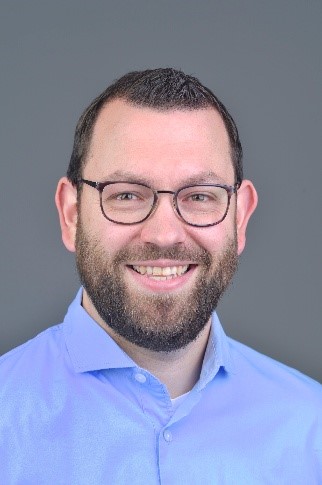
Karsten Schlich, FHG-IME, Germany


Dr. Karsten Schlich is an ecotoxicologist (PhD University Berlin 2013) working on effects of chemicals (e.g. UVCB, nanomaterials, plant protection products) on aquatic and terrestrial organism for more than 15 years. He has established studies for the determination of fate and effects of nanomaterials in model sewage treatment plants (OECD TG 303A) and various techniques to alter the sludge for ecotoxicological tests at Fraunhofer IME. Since 2019 he leads the laboratory for aquatic primary producers and biodiversity at Fraunhofer IME, which conducts ecotoxicological tests under good laboratory practice to the respective guidelines (OECD, ISO, OPPTS), required for registration in the different chemical regulations. Another focus is adaptation of risk assessment procedures and the conception and implementation of (higher tier) ecotoxicological studies for particulate materials (nanomaterials, micro- and nanoplastic particles). His task in the proposed project is to conduct ecotoxicological tests with BORN materials itself and after degradation in soil and compost.


Details

Country
Germany
Type
RTO
Reference person (ITEM)
Stefan Hahn
Reference person (IME)
Karsten Schlich